Key topics
Key objectives related to economic efficiency that TTC AgriS implemented in 2023-2024 include:
- Build and promote core products, while engaging in the development and diversification of valueadded products, providing high-tech agricultural product solutions, integrating into the global Food & Beverage value chain, pioneering anticipation of customer needs to perfect the comprehensive products-and-services ecosystem;
- Become experts in providing solutions for customers: understand market trends, capture customer needs, and expand market share;
- Adopt digital technology as a foundation by operating an ERP system and transform the management and intelligent analytics system with an integrated approach to cloud computing technology in order to reduce costs and optimize operational efficiency;
- Manage finances according to international standards and efficiently allocate capital to enhance profitability for the Company, Shareholders, and Investors;
- Build a skilled workforce for efficient business knowledge management and operation;
- Ensure income security for Employees and Farmers, which contributes to their stability of livelihood.
Management approach
The sustainable development strategy of TTC AgriS aims to provide long-term benefits for Shareholders/Investors, Customers, Farmers, Employees, the Community, and the Government. In FY 2023-2024, TTC AgriS focused on the following aspects:
- Prioritize the development of organic agriculture and expand the area of organic raw materials;
- Improve Sugar primary and secondary by-products, as well as optimize crop value by reusing raw materials to minimize production waste, proactively researching and applying red-eye bees (natural enemies) for pest control without leaving pesticide residues;
- Expand the ecosystem of high-nutrient energy products, and leverage key crops such as sugarcane, coconut, banana, and rice. The focus on these products serves to safeguard consumer health, and minimize environmental and community impacts on the platform of mutual, multidimensional, end-to-end traceability, nutrition, and exchange;
- Improve customer service policies, maintain the Vietnam domestic market share in the South, increase market share in the North and West markets, and continue to explore opportunities in export markets;
- Restructure the distribution system to capitalize on the synergy;
- Accelerate the digital transformation of the business;
- Ensure transparency and fulfill all financial obligations to the State;
- Continue to leverage the advantage of accessing low-interest capital and restructure the finance structure according to the pre-defined capital optimization plan;
- Develop a compensation framework that assigns each position to an appropriate level, as well as flexible welfare policies to ensure employees’ stable income;
- Proactively adjust the sugarcane raw material purchase policy according to market developments to ensure sugarcane farmers’ income.
GRI 201-1: DIRECT ECONOMIC VALUE GENERATED AND DISTRIBUTED
1. Revenue: When Vietnam’s Sugar industry continued to face cyclical challenges and global political instabilities, TTC AgriS concluded the FY 2023-2024 with exceeding planned targets, and a maintained steady market share of 46%.
Net revenue continued its upward trend, increasing by 17% YoY to reach VND 29,021 billion. The Compound Annual Growth Rate (CAGR) of net revenue over the past five years reached 22%, and it is expected that this rate will continue in the coming years. This is a result of the Company’s relentless efforts to maximize revenue through market development and product diversification strategies. Sugar products continue to be the main contributor to the revenue structure, accounting for 92%. Meanwhile, the transformation of revenue structure towards other products, such as molasses, increased by 120% YoY due to the expansion of export markets. Electricity revenue increased by 17% compared to the previous FY, thanks to bagasse-deprived power as well as rooftop solar energy systems installed at the company’s factories. The rest, including fertilizer trading, machinery, and other agricultural products such as coconut, banana, rice, and natural nutritional drinks like coconut water, sugarcane juice, and pure sugarcane drinks, also recorded positive growth of around 10%.
The Company continued to leverage its domestic market advantages and had its sugar sales volume exceed 1 million tons for five consecutive years. Specifically:
- B2C and Trade channels saw robust growth, up 22% and 18% respectively, and continue to reinforce market leadership through packaging transformation that enhanced the Bien Hoa Sugar brand presence at points of sale.
- SME channel volume increased by 6% YoY, which is driven by continuously expanding market surveys and launching new products such as Liquid Sugar to diversify the product portfolio for customers.
2. Operating costs:
In FY 2023-2024, TTC AgriS emphasized effective cost control, with the cost of goods sold reaching 25,857 billion VND. This marked a 17% increase YoY, and aligned with the revenue growth.
Selling expenses, as well as General and administrative expenses (G&A) were well-managed. As a percentage of revenue, selling expenses reached 2.49%, down 0.09% compared to the previous FY, while G&A expenses stood at 2.74%, slightly up by 0.16% from the previous year, which reflects the Company’s expanding operational scale.
3. Payments to capital providers:
In FY 2023-2024, TTC AgriS pursued healthy financial restructuring and debt shifting from short-term to long-term in order to gradually reduce liquidity risk and short-term payment pressure. This benefitted business operations, and laid the foundation for TTC AgriS to enter a new phase of investment expansion and business diversification. Specifically, the Debtto-Equity ratio reached 1.44 times and the Debt-to-Total Assets ratio reached 0.47 times; the current ratio improved to 1.22 times, up from 1.17 times in the previous FY.
During the past FY, despite facing interest rate fluctuations in the financial market, TTC AgriS maintained its commitment to meeting capital cost obligations to investors. This was accomplished by maintaining an interest coverage ratio of 1.53 times, improving from 1.48 in the previous period.
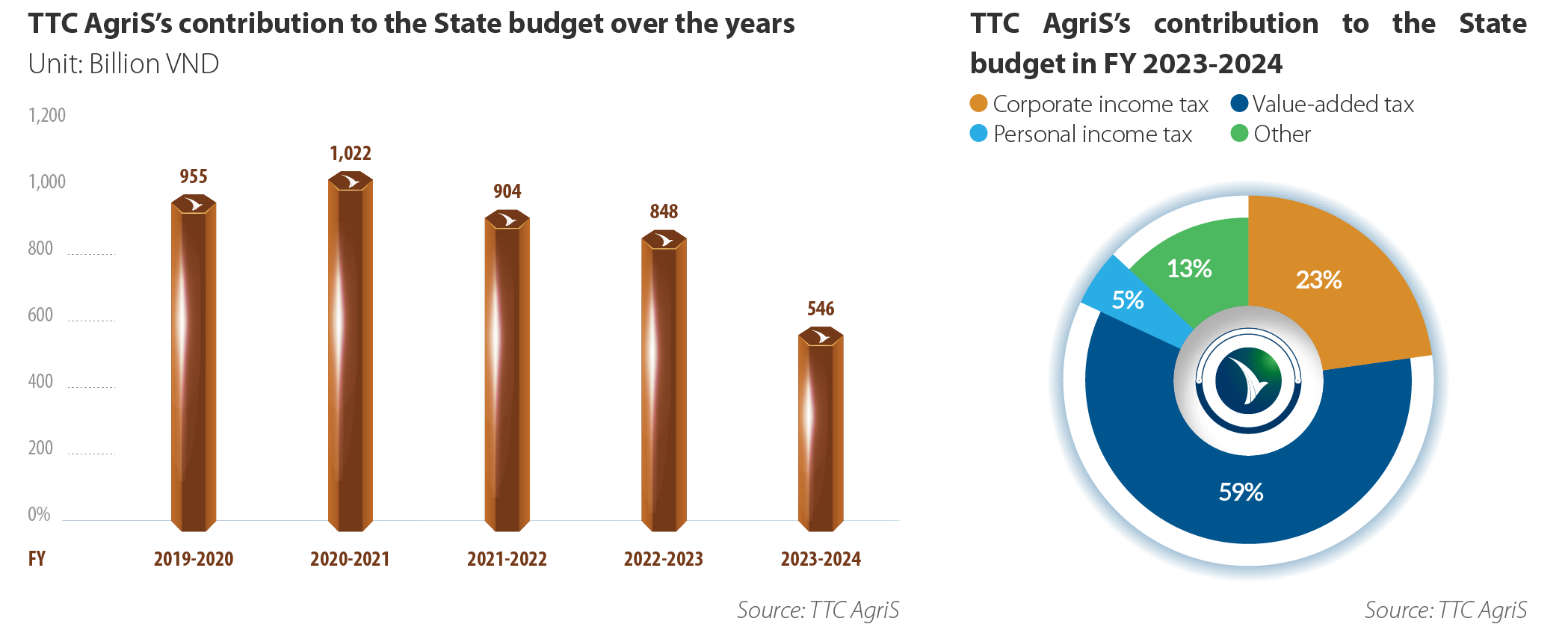
4. Payments to the Government: Since its inception, the Company has consistently fulfilled its tax obligations, contributing to the development of the country and regions where TTC AgriS operates. In FY 2023-2024, corporate income tax recorded 125 billion VND, with total taxes and state contributions amounting to 546 billion VND. With these contributions, TTC AgriS proudly ranks among Vietnam’s Top 100 Private Enterprises in Tax Contribution – PRIVATE100.
Tax structure and other payables to the Government in FY 2023-2024:
GRI 201-2: FINANCIAL IMPLICATIONS AND OTHER RISKS AND OPPORTUNITIES DUE TO CLIMATE CHANGE
Climate change continues to pose tremendous challenges for global agriculture. For countries with agriculture sectors that are heavily dependent on natural conditions, such as Vietnam, the difficulties are significantly greater. As one of Vietnam’s leading multinational agricultural companies, TTC AgriS proactively monitors and informs management plans to minimize the impacts of these challenges on its farming and production operations.
GRI 201-4: FINANCIAL ASSISTANCE RECEIVED FROM THE GOVERNMENT
Thanks to the Government’s strategic direction for the development of agriculture, as outlined in Circular No. 96/2015/TT-BTC by the Ministry of Finance dated June 22nd, 2015, TTC AgriS enjoys a preferential Corporate Income Tax rate of 10% for revenues from sugarcane production and business activities. The Company’s subsidiaries are only obligated to pay Corporate Income Tax at rates ranging from 10% to the standard tax rate on taxable income. They also enjoy exemptions and reductions in Corporate Income Tax according to their respective business registration certificates and applicable tax regulations. Additionally, through Decree No. 44/2023/NĐ-CP, issued on 30/06/2023, the Government reduced the value-added tax rate from 10% to 8% for certain groups of goods and services, which impacts TTC AgriS. This is viewed as positive support from the Government for domestic sugarcane companies in the face of international market competition.
Key topics
- TTC AgriS always prioritizes the creation of a conducive environment for employee development and motivation. TTC AgriS establishes a competitive compensation and benefits policy that centers on fairness, gender equality, and individual competency;
- TTC AgriS maintains a salary policy that exceeds the local minimum wage to ensure employees’ income security and enhance their quality of life. At the local level, TTC AgriS helps improve social welfare and build a strong community by addressing labor-related issues.
Management approach
- Develop a compensation framework that assigns each position to an appropriate level, based on experience, educational level, and the individual’s contribution to the Company;
- Implement and ensure a competitive compensation benefits policy, and timely update and adjust the policy in accordance with government regulations;
- Regularly survey working conditions, compensation, and benefits, and increase pay scales based on the performance assessment results to motivate employees and enhance productivity.
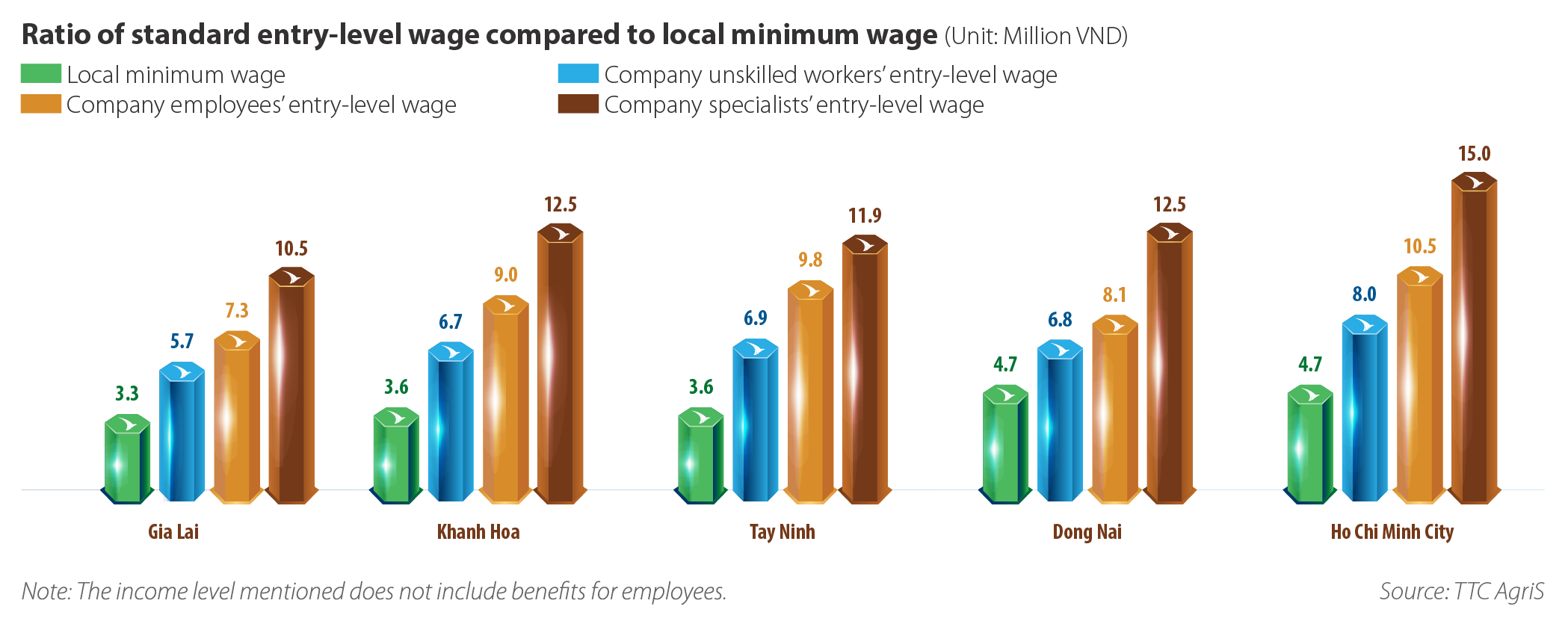
GRI 202-1: RATIO OF STANDARD ENTRY-LEVEL WAGE COMPARED TO LOCAL MINIMUM WAGE
Embracing principles of fostering a healthy lifestyle and well-being of individuals of all ages, the Company upholds a policy to create stable employment for local labor. The entry-level wages of all employees, from unskilled workers to specialists, are consistently higher than the local minimum wage, contributing to the stability of the employees’ lives. The ratio of entry-level wages at TTC AgriS compared to the local minimum wage ranges from 43% to 238%, depending on the job position and region.
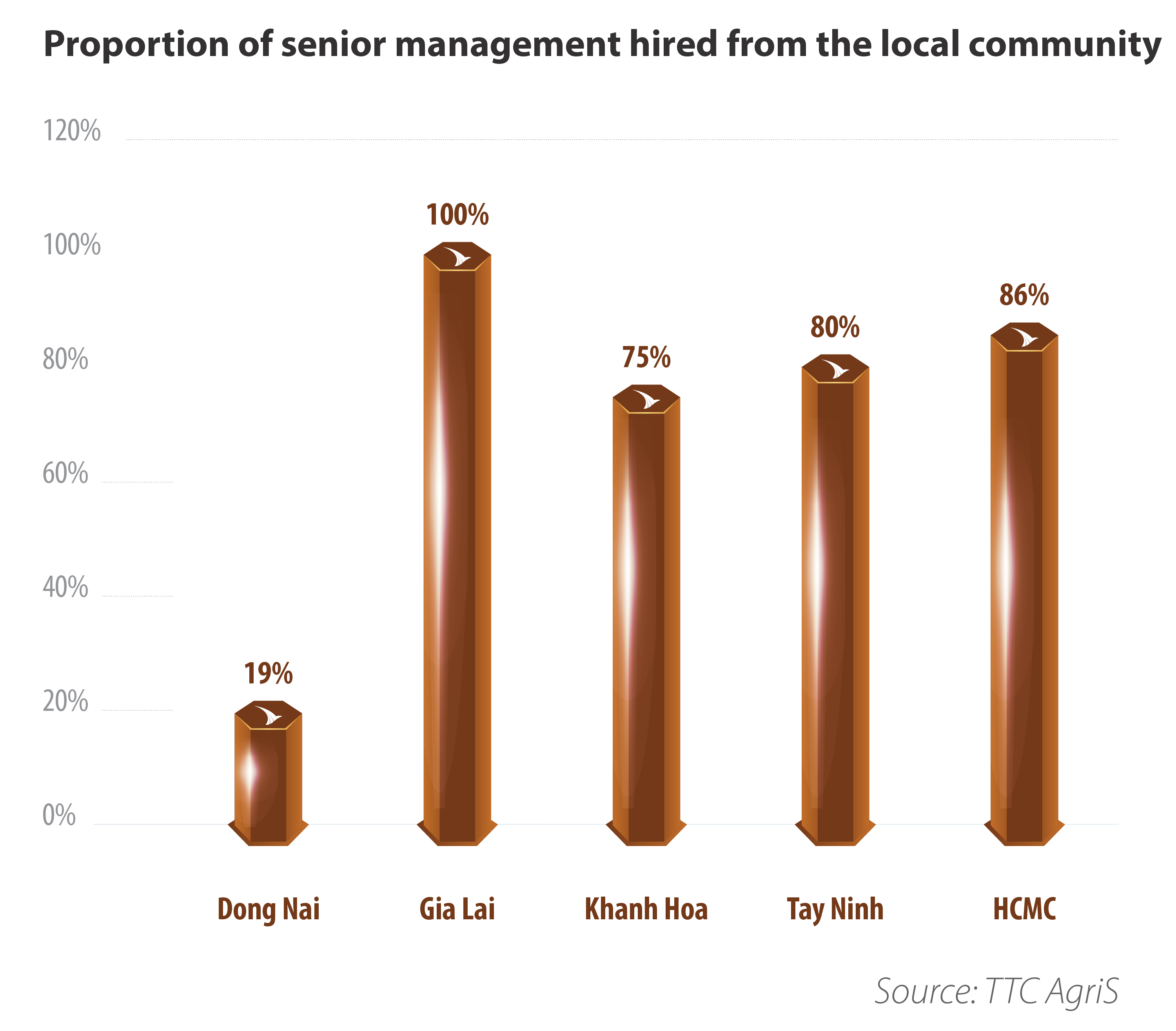
GRI 202-2: PROPORTION OF SENIOR MANAGEMENT HIRED FROM THE LOCAL COMMUNITY
In each operational locality, TTC AgriS emphasizes building stronger community relationships, recruiting workforce with deep understanding of local culture, language, and markets, and enhancing business efficiency to promote local economic and social development.
Key topics
- In addition to maximizing profits and achieving the goals set by the AGM, TTC AgriS makes meaningful contributions to society and the community;
- The Company ceaselessly contributes resources, implements appropriate initiatives, and conducts responsible production and business operations in order to support the development of the local economy.
Management approach
- Implement and maintain policies on financial assistance, and deploy social welfare programs;
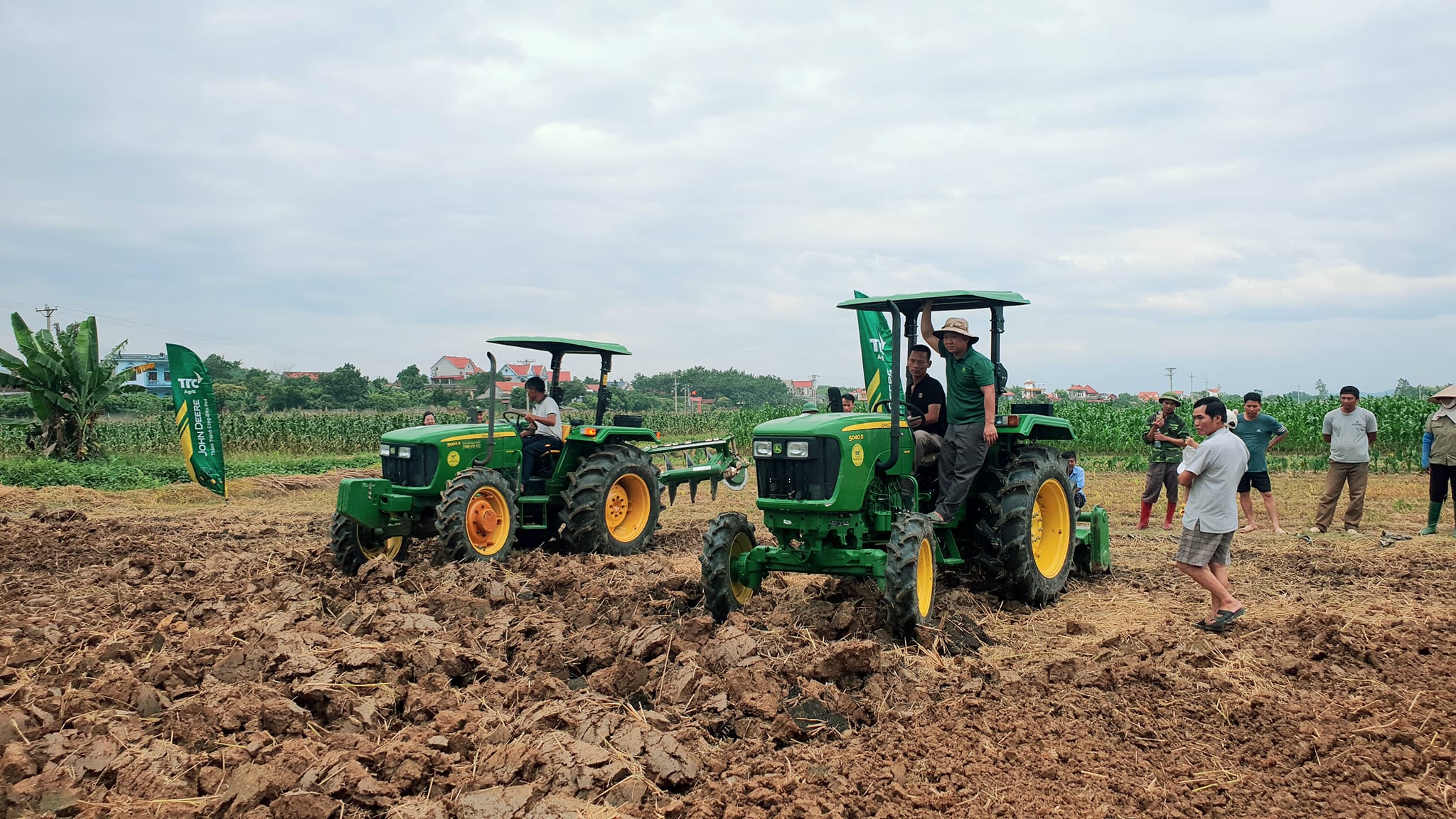
- Promote agricultural extension and increase access to new farming techniques. Increase the level of mechanization, provide machinery and equipment to farmers, and create a market for mechanization services across material areas;
- Conduct training programs to impart knowledge on advanced farming techniques and raise awareness of farmers.
Local Economic Development
TTC AgriS has put in place agricultural support policies for numerous farmers in different areas for years, assisting them in boosting sugarcane yield and prospering from sugarcane cultivation. In FY 2023-2024, the Company created jobs for over 8,000 farmer households and allocated nearly 1.400 billion VND according to policies aimed at supporting capital, materials, and sugarcane cultivation techniques. This was anticipated to motivate farmers to remain in the industry and aid in the sustainable growth of Vietnam’s agriculture.
Along with financial assistance and consistent sugarcane purchase prices, TTC AgriS emphasizes charitable and social initiatives within local communities. In the previous FY, the Company contributed more than 26.3 billion VND to these efforts and offered significant assistance to local welfare programs, community development projects, and education and health initiatives for future generations.
Sustainable and green development of Vietnam’s sugarcane industry
Thanh Thanh Cong Agricultural Research Institute (TTC ARI) leads in the area of research, utilizing science and technology for agricultural activities and production, while fulfilling the demands of green and sustainable development.
Throughout the years, TTC ARI successfully carried out its function as a sugarcane bank by investigating, choosing, and creating new sugarcane varieties appropriate for the soil conditions of each material area. Specifically, TTC ARI has adopted various methods such as tissue culture and sugarcane seedlings grown from single-bud cuttings (Stump) to quickly propagate new varieties, restore the desirable traits of existing sugarcane varieties, and counteract genetic degeneration. This leads to a 30%-50% boost in productivity and a 1%-2% rise in sugar content (CCS) in comparison to conventional production.
TTC ARI has also implemented integrated pest management using natural enemies to minimize negative impacts on the environment and human health. The natural enemy employed at TTC ARI is red-eyed bee, which has been registered under the exclusive brand name “ABI Bees”, and this is producing positive results. Currently, TTC ARI applies this technique on 6,000 hectares of sugarcane per year. Since January 2022, TTC ARI has received funding from the Tay Ninh Department of Science and Technology to carry out a project titled “Research and develop indigenous natural enemies for high-tech agriculture”. The research team successfully conducted large-scale breeding of two predatory bug species, big-eyed bugs, and spined soldier bugs, and supplied 12,000-15,000 bugs weekly to Da Lat Hasfarm and many other customers.
Not only pioneering in the field of research, TTC ARI has progressively innovated itself and closely followed a strategy of developing integrated intelligent models. This is a result of TTC AgriS’s collaboration with major organizations that specialize in Agriculture 4.0. For example, TTC ARI, in collaboration with TTC AgriS’s Division of Agribusiness, worked with the Farmacist, an Australian agronomic consulting company based in Queensland, to improve Sugarcane farming techniques in TTC AgriS’s raw material regions. TTC ARI and DEG, an investment fund of the German government, also provided solutions and training sessions for farmers. This collaboration helped farmers increase their knowledge and experience in cultivation techniques, strengthen their commitment to sugarcane farming, enhance their awareness of environmental protection, and promote the growth of TTC AgriS’s green raw material regions.
Key topic
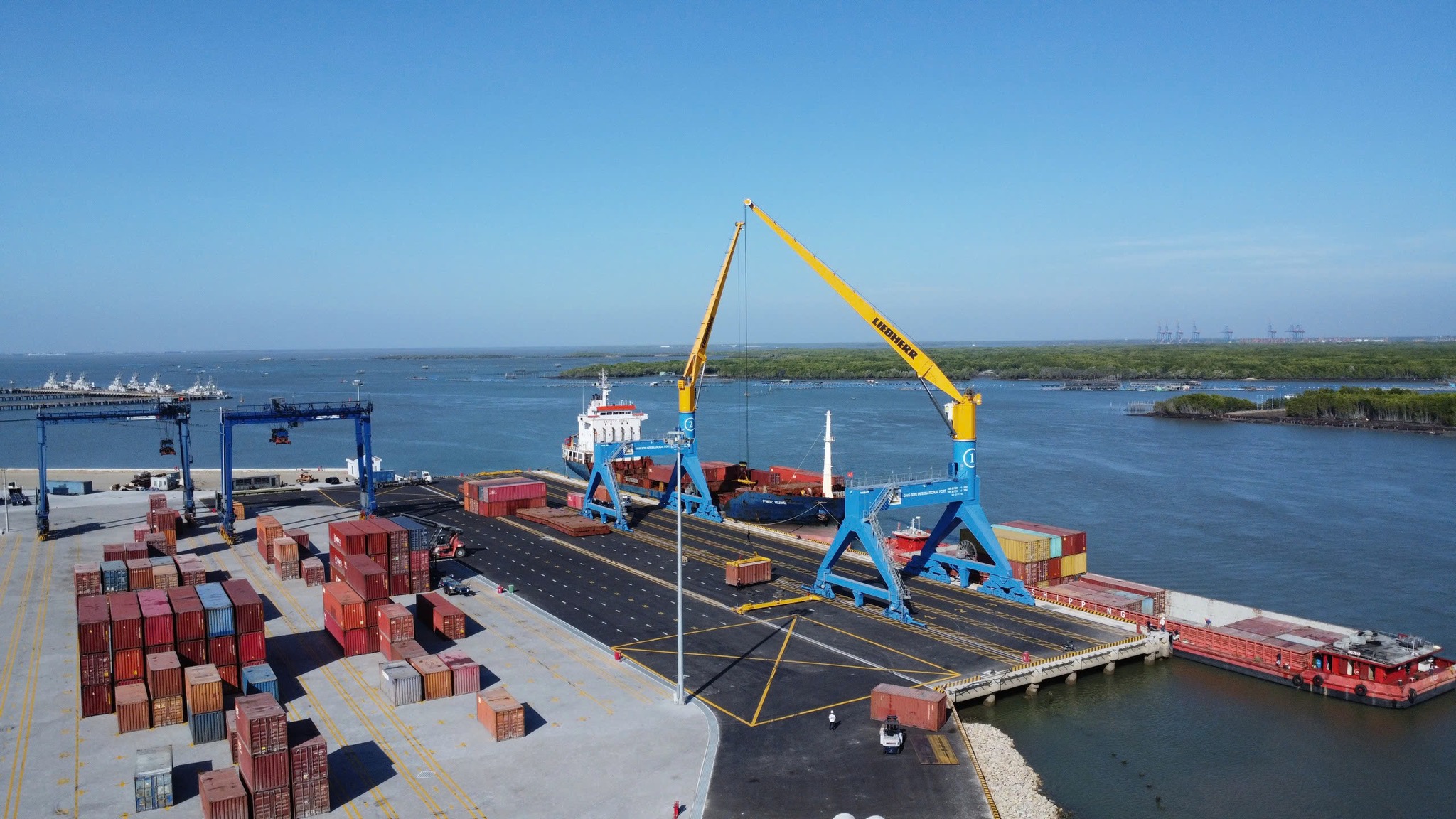
- TTC AgriS prioritizes procurement from domestic suppliers in each country of operation in order to contribute to regional economic development. This not only supports local businesses but also creates employment opportunities, increases income, and enhances community living standards;
- By selecting suppliers who comply with environmental and social standards, TTC AgriS creates a sustainable supply chain and improves transparency in production and distribution processes.
Management approach
- Establish clear procurement policies for suppliers, set objectives and commitments for contributing to regional economic development;
- Select suppliers while ensuring they enjoy fair competitive opportunities, particularly in major contracts and projects.
GRI 204-1: PROPORTION OF SPENDING ON LOCAL SUPPLIERS
As a multinational agricultural enterprise, TTC AgriS emphasizes “responsible procurement” activities. TTC AgriS chooses reliable product and service suppliers while establishing fair procurement processes for each region to guarantee suppliers have equitable collaboration and competition chances. As a result, TTC AgriS enhances cooperative ties with operational areas by fostering sustainable economics, generating employment, aiding business growth, and reducing transportation-related environmental effects. Specifically:
- Office supplies: 100% procurement from suppliers in each TTC AgriS operational region.
- Organic fertilizers: 100% procurement from suppliers in each TTC AgriS operational region, while the Company also operates organic fertilizer production facilities.
- Other procurement including packaging, fuel, materials for processing and repairs, equipment and components for manufacturing during the production procedure: 100% procurement from local suppliers in each TTC AgriS operational region.

Key topics
- TTC AgriS operates and develops with respect for the rule of law and in compliance with the principle of fair and transparent competition;
- The Company’s reputation, the foundation of its sustainable development, is built on product quality, equal treatment of partners, and commitments to safeguard the rights of customers and fulfill obligations to them.
Management approach
- Strictly refrain from anti-competitive behavior, antitrust, and monopoly practices actions;
- Safeguard customer confidentiality and privacy;
- Develop a healthy competitive advertising and promotion strategy;
- No violations of regulations related to disclosures of trademark or product information.
206-1: LEGAL ACTIONS FOR ANTI-COMPETITIVE BEHAVIOR, ANTI-TRUST
AND MONOPOLY PRACTICES
TTC AgriS has developed and implemented a Code of Conduct that aligns with the operating conditions of the Company. This Code of Conduct is applied throughout the Company’s system with the aim of fostering a culture of legal compliance, ethical standards, fair competition, and the protection of the rights and interests of Customers, Partners, and other Stakeholders. Moreover, the Company complies with legal regulations concerning trade competition and had no violations in FY 2023-2024.
TTC AgriS holds several important International Certifications related to Fair Trade, including:
- FAIR CHOICE: Social and Fair Trade Standard
- FAIR TRADE: Fair Trade Certification
Key topics
TTC AgriS voluntarily and proactively fulfills its tax obligations in accordance with the provisions of the law. The Company also complies with local tax regulations and those of the countries in which it operates.
Management approach
- Engage independent consultants and tax authorities to stay informed of the latest tax regulations, determine tax obligations, and avoid any legal risks.
- Identify, analyze, and assess the risks posed by ambiguous tax policies, and then implement preventative measures.
- Disclose the amount of tax payable in the Company’s financial statements and annual reports in a transparent manner.
207-3: STAKEHOLDER ENGAGEMENT AND MANAGEMENT OF CONCERNS RELATED TO TAX
TTC AgriS strives for sustainable development and harmonization of the interests of all Stakeholders. Each Stakeholder plays a crucial role in the Company’s existence, reputation, and growth. Accordingly, the Company places great importance on its tax obligations to Stakeholders, ensuring timely and transparent tax payments related to its employees, the local communities in which it operates, and other related parties. Alongside other major companies across the country, TTC AgriS was honored among the Top 100 private companies contributing the most to the national budget in Vietnam. In addition, TTC AgriS regularly participates in training programs organized by the tax authorities to enhance its knowledge of current tax policies; and continuously updates changes in tax policies to timely apply them to the Company’s operations and effectively fulfill its obligations to the tax authorities.