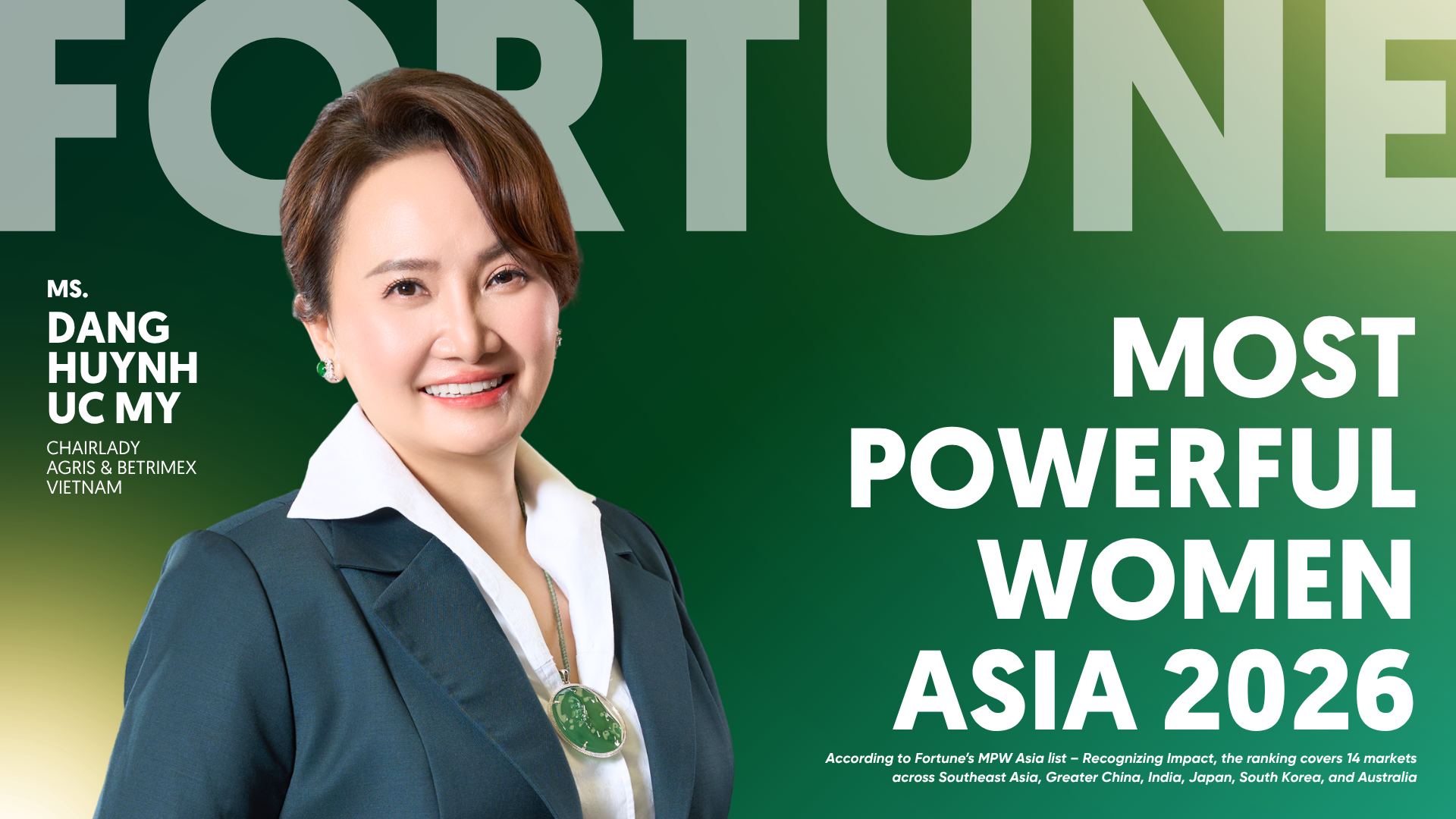
At the panel discussion “From Assets to Legacy” within the framework of the Techcombank Investment Summit 2026, Ms. Dang Huynh Uc My, Chairlady of Thanh Thanh Cong – Bien Hoa Joint Stock Company (AgriS, HOSE: SBT) shared her perspective on the responsibilities of the next generation in family businesses.
According to Ms. Dang Huynh Uc My, the next generation may begin with a stronger foundation, but it also faces higher expectations in terms of capability, resilience and responsibility. Assets can be handed down, but the ability to continue creating value must be built by each generation itself.
That is the distinction between inheriting assets and carrying forward a legacy.
.jpg)
Succession Is the Ability to Continue Creating Value
Every family business begins with the aspirations, commitment and choices of its founders. Over time, these elements shape the assets, brand, people and market position of the business.
The next generation may inherit these achievements, but it cannot automatically inherit the capabilities that created them. Being born into a business family does not inherently make someone a leader. A family foundation creates opportunities, while also placing on the next generation the responsibility to prove its own capabilities.
The measure of successful succession, therefore, does not lie in the assets inherited or the positions held, but in the ability to preserve core values, develop the organization and create greater value for stakeholders.
A title can be given, but leadership capability must be developed. Ownership can be transferred, but credibility must be earned. Preparing the next generation should therefore involve real-world experience, decision-making authority, pressure and accountability for results.
“Every child carries the DNA of their family. I inherit those values, but my generation has the responsibility to take them into a new chapter and create even greater value.”
The foundation passed down is a starting point, not a destination. Successors truly demonstrate their role only when they are able to transform that foundation into new growth capabilities.
Preserving Core Values, Redefining How Value Is Created
.png)
Each generation enters a different environment shaped by technology, markets, capital, consumer behavior and governance standards. If the founding generation-built businesses through intuition, experience and decisiveness, the next generation must develop that foundation in an environment increasingly driven by data, risk management, innovation and sustainable development.
Succession does not mean repetition
What must be preserved are the value system, entrepreneurial spirit, integrity and standards that define the identity of the family and the business. The way value is created, however, must continue to evolve.
Maintaining only what already exists may preserve the past, but it is unlikely to create the future. Conversely, pursuing innovation to the point of losing the underlying foundation may generate short-term growth while weakening long-term resilience.
The challenge for successors is to preserve what is essential while changing how value is created. The ability to carry a legacy forward lies in understanding the new context, making appropriate decisions and transforming accumulated values into future advantages.
AgriS: Bringing an Established Foundation into a New Growth Cycle
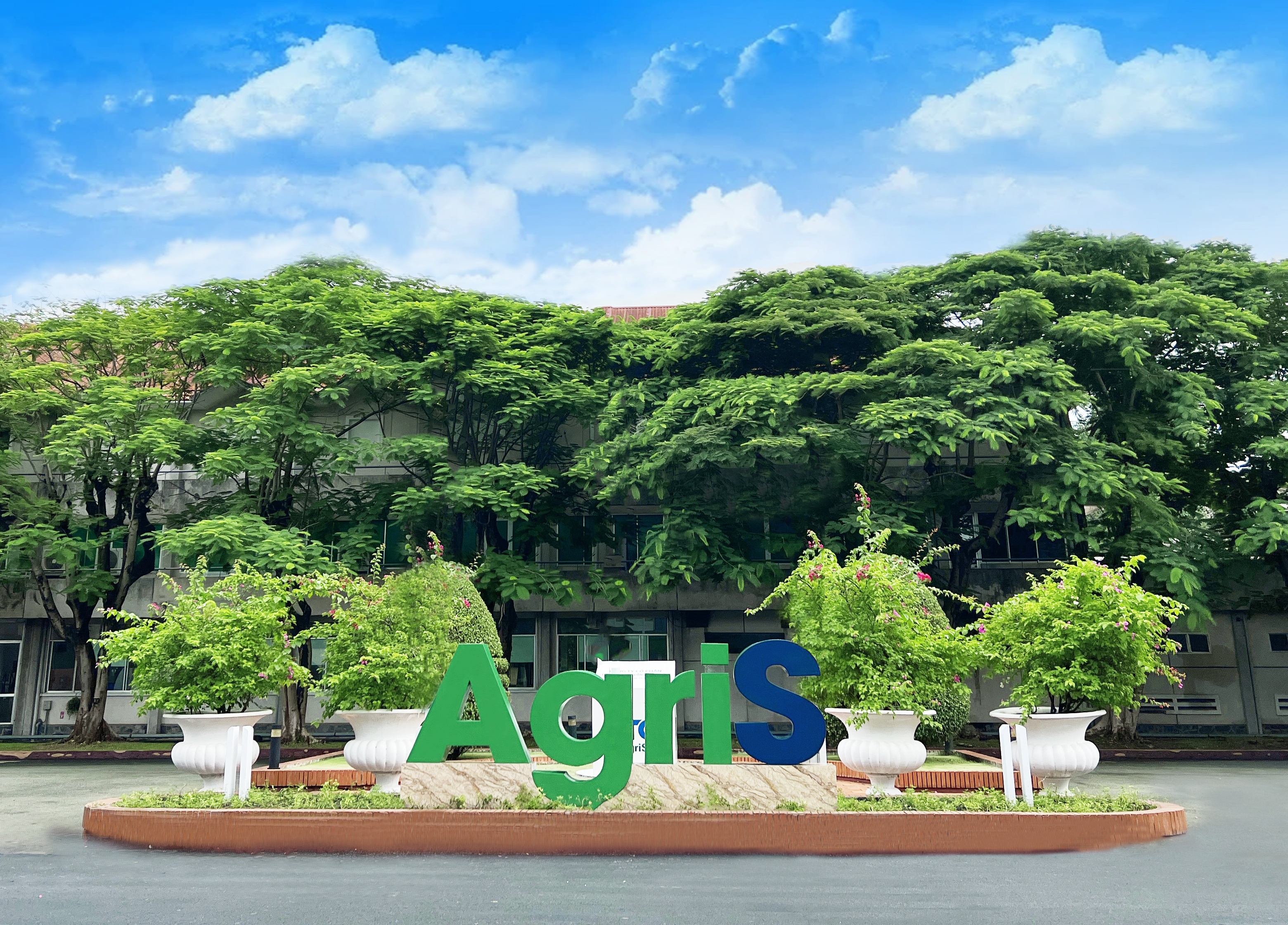
At AgriS, this continuity is reflected in the Company’s transformation from an agricultural production foundation toward an integrated agriculture–food value chain; from experience-based operations toward data-driven management; and from traditional markets toward an international cooperation network.
This transformation demonstrates that succession is not about preserving a business in its existing form, but about strengthening its ability to create value on a foundation built over generations.
Science, technology and modern governance are helping AgriS enhance its competitiveness while creating greater value for farmers, partners, shareholders and communities. This is how the Company is bringing the foundation established by previous generations into a new growth cycle aligned with evolving competitive requirements and long-term development objectives.
Transformation does not diminish legacy. On the contrary, it enables legacy to remain relevant in a new era.
A living legacy is not a fixed structure that must remain unchanged. It is a system of values capable of adapting, expanding and creating new outcomes across generations.
Trust Creates the Space for Capability to Be Proven
A successful transition requires more than the transfer of assets and authority. The previous generation must provide the foundation, trust and space for the next generation to grow. In return, successors must demonstrate resilience, discipline and tangible results.
That space does not mean entitlement or exemption from accountability. It is an opportunity for successors to gain experience, make decisions, take responsibility and prove their ability to continue creating value.
When core values remain intact and the next generation is given room to develop its capabilities, businesses can avoid two extremes: resisting change or pursuing innovation to the point of losing their identity.
If only assets are transferred without building capability, those assets may diminish from one generation to the next. When a value system is transferred together with the ability to independently create new value, the legacy can continue to expand.
The most valuable thing one generation can pass on is not a set of ready-made answers, but a foundation that enables the next generation to find the answers most relevant to its own era.
The journey from assets to legacy is ultimately a transfer of the responsibility to create value. Assets may be transferred at a moment in time; capability must be developed over time; and legacy is built across generations.
A legacy becomes truly meaningful when the achievements of one generation become the capabilities that enable the next to continue creating value and shaping the future.