Amid rapid shifts in technology and the labor market, organizational capabilities are becoming increasingly critical to a company’s ability to execute strategy. Toward its 2030 goals, AgriS is progressively standardizing its resource management systems, workforce data, and talent development practices across the organization.
Technology, AI, and changes across supply chains are creating new requirements for how businesses organize and develop their resources. According to the World Economic Forum’s Future of Jobs Report 2025, 63% of surveyed employers identify skills gaps as a major barrier to business transformation, while 39% of workers’ current skill sets are expected to change or become outdated by 2030.
Against this backdrop, the human capital agenda is increasingly connected to broader considerations around organizational structure, data, leadership capabilities, and the ability to maintain strategic continuity.
At AgriS (Thanh Thanh Cong – Bien Hoa Joint Stock Company, HOSE: SBT), preparations for the 2030 strategy are being carried out through an integrated approach connecting strategy, people, data, technology, governance, and the partner ecosystem. The focus is on standardizing management practices, improving workforce data quality, strengthening leadership capabilities, and preparing the next generation of talent.
Strengthening Organizational Capabilities in Line with Strategic Requirements
Alongside technological change, the way businesses organize and deploy resources is becoming an increasingly important part of corporate transformation. The WEF reports that 85% of surveyed employers expect to prioritize workforce upskilling through 2030, while 70% plan to recruit employees with emerging skills.
At the enterprise level, this creates a need to connect people development with governance systems and long-term business objectives. At AgriS, organizational capabilities are being developed across three areas: people and organizational capabilities; systems and data; and governance and ecosystem. This framework also guides the Company’s efforts to strengthen resources across organizational structure, management practices, and talent development.
According to Mr. Tran Trong Gia Vinh, Independent Member of the Board of Directors and Chair of the Human Resources Committee at AgriS: “Technology creates new productivity, data improves the quality of decision-making, and people turn resources into results. Investment in people must be directly linked to the ability to execute strategy. AgriS aims to build a system with sufficient depth to ensure that strategy is carried forward through the capabilities of the organization.”
AgriS is strengthening its resources across three levels. At the organizational level, the Company reviews its structure, roles, leadership capabilities, and coordination mechanisms. At the system level, AgriS is standardizing data and management practices across 30 entities in five countries. At the talent level, the Company is conducting job evaluations, building an internal grading system, benchmarking against the market, and developing its succession pipeline.
The Chair of AgriS’s Human Resources Committee noted that each stage of development requires different organizational and leadership capabilities. Reviewing structures, strengthening capabilities, and allocating resources are therefore closely linked to the Company’s long-term objectives.
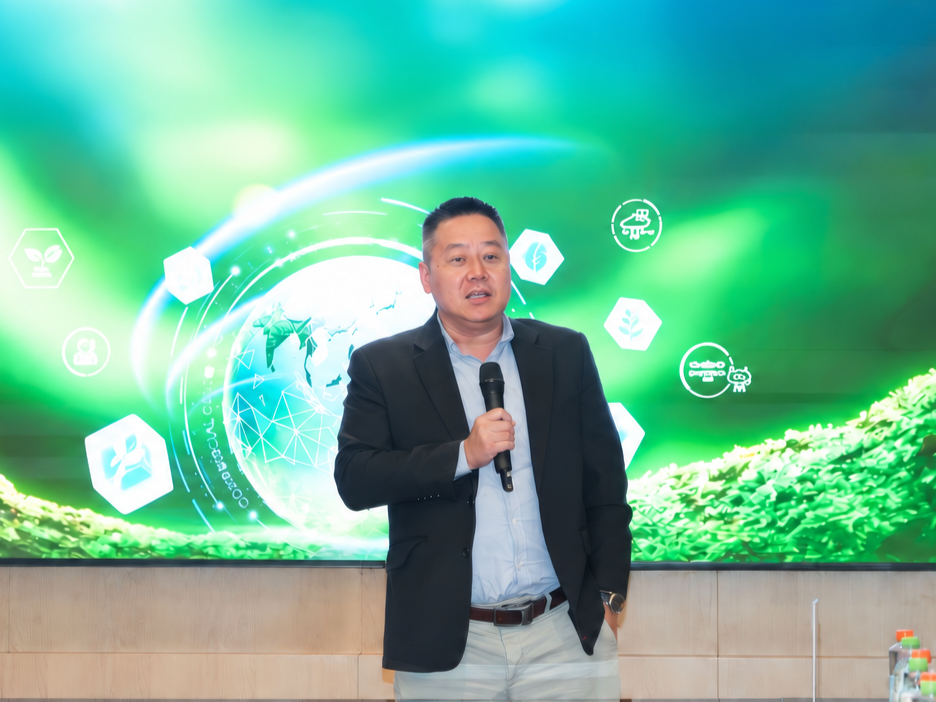
Mr. Tran Trong Gia Vinh, Independent Member of the Board of Directors and Chair of the Human Resources Committee at AgriS
Standardizing Data and Workforce Architecture
Data is becoming an increasingly important component of human capital management, particularly for businesses operating across multiple entities and markets. Standardized data creates a common frame of reference for tracking resources, performance, and workforce development needs.
As part of this direction, AgriS is working with Ernst & Young (EY) to implement ONEHR on the Oracle Fusion Cloud – Human Capital Management platform.
ONEHR is being deployed across 30 member entities in five countries: Vietnam, Singapore, Australia, Laos, and Cambodia - integrating functions ranging from workforce planning, recruitment, and onboarding to performance management, learning, and talent development.
The project is designed to establish a unified management architecture built around one platform, one data system, and one common management language. By connecting HR, financial, and operational data, AgriS can monitor the relationship between resources, performance, and business results within a shared framework. ONEHR is scheduled to go live in the 2027–2028 fiscal year.
In parallel with ONEHR, AgriS is collaborating with Talentnet on job evaluation, the development of an internal grading system, and market benchmarking. The Mercer methodology is being applied to quantify job value, establish internal equity, and provide a foundation for compensation policies, career development, succession planning, and talent management.
The two projects complement each other in the standardization of workforce management. ONEHR provides the data and system foundation, while the project with Talentnet focuses on job architecture, grading, and talent. Together, they enable AgriS to progressively connect business strategy with its human capital architecture.
In the next phase, AgriS will also work with Newing to implement a corporate culture program focusing on leadership capabilities, behavioral standards, collaboration practices, and decision-making principles.
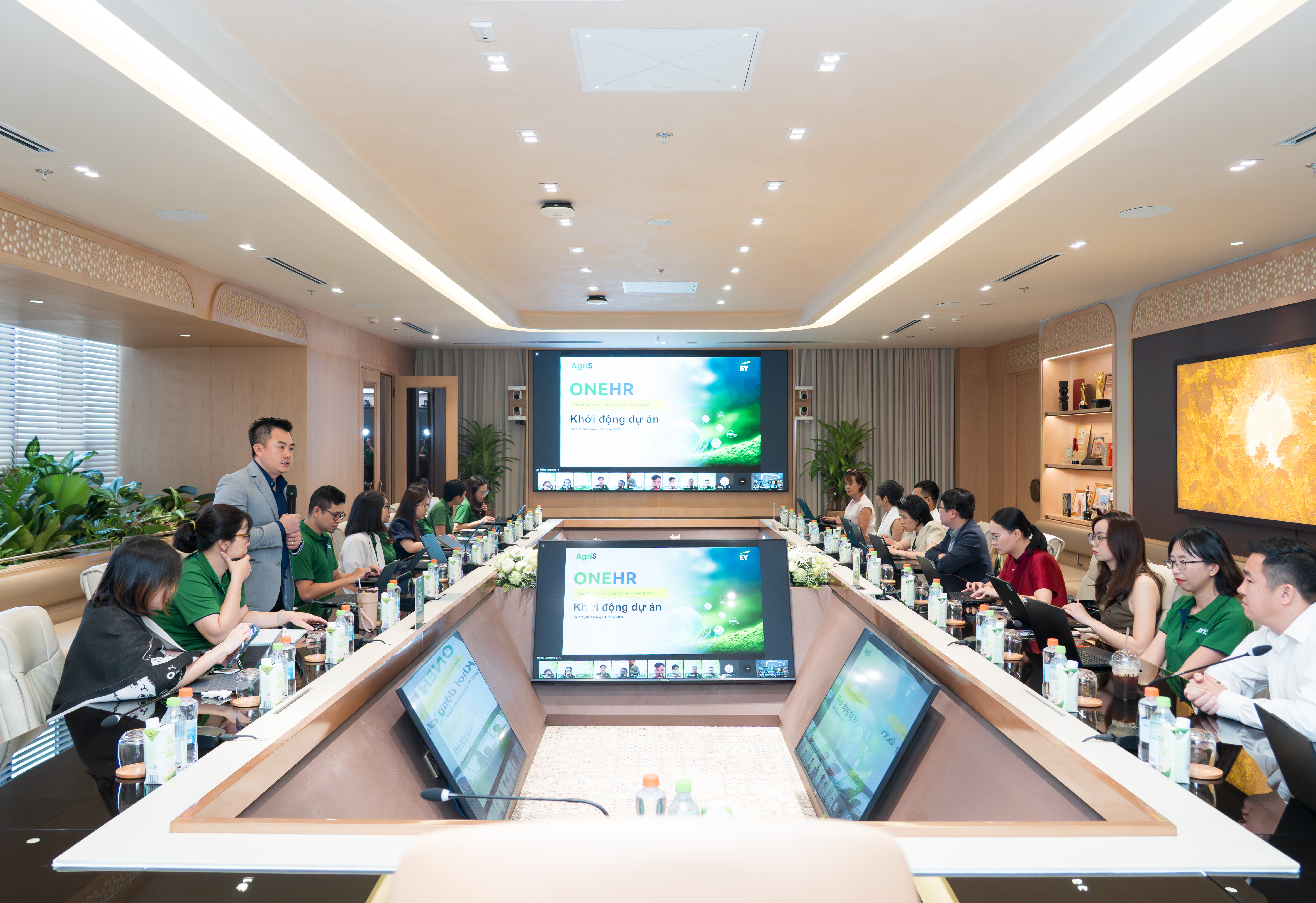
AgriS implements the ONEHR Project with EY to standardize human capital management across the organization.
Building the Execution Foundation for the 2030 Strategy
Shifts in the labor market indicate that workforce challenges in the years ahead will increasingly be tied to an organization’s ability to adapt. In addition to AI, big data, and technological capabilities, the WEF also identifies analytical thinking, adaptability, leadership, and collaboration among the skills that will remain important through 2030.
For businesses, strengthening individual skills therefore needs to go hand in hand with the organization’s ability to retain and transfer knowledge. Experience can be standardized into data, processes, and methodologies; resources across different entities can be connected through a common management mechanism; and succession pipelines can be prepared based on long-term development needs.
AgriS’s ongoing initiatives in data systems, job architecture, talent development, and corporate culture are all part of this broader process of strengthening organizational capabilities.

AgriS aims to connect resources, data, and governance on a common platform to support the execution of its strategy toward 2030.
Toward its 2030 goals, AgriS will continue strengthening its resource base, standardizing management systems, and developing organizational capabilities. This will provide the foundation for the Company to enhance collaboration, accumulate organizational knowledge, and maintain continuity in strategy execution across the entire system.
 (1).jpg)